CASES Fellow Spotlight: Prof Andrew M. Lane
25th March 2026

As part of our Fellows Spotlight Series, this week we introduce Prof Andrew M. Lane FCASES.
Shaping a Discipline Through Science, Integrity and Humanity
For Professor Andy Lane, Fellowship of CASES is not simply an honour; it represents professional trust. “It signals that peers recognise not only the quality and consistency of my work, but also my commitment to developing others,” he reflects.
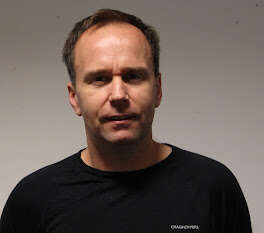
Andy became a Fellow in 2010, following a career that had already extended beyond research outputs into shaping the discipline through leadership, accreditation, mentorship, editorial work, and public engagement. He credits senior colleagues, particularly his PhD supervisor, Professor Peter Terry for modelling the generosity and integrity he now strives to embody. “Fellowship felt less like an endpoint and more like a responsibility.”
A Career of Impact Across Research, Practice and Public Engagement
Andy’s research portfolio is wide‑ranging, unified by a central theme: understanding and regulating mood and emotion to enhance performance and wellbeing. He is particularly proud of early conceptual work such as the Lane and Terry (2000) conceptual paper on mood and performance that has stood the test of time and shaped applied practice.
Major highlights include:
- Leading the EROS (Emotion Regulation of Others and Self) Research Network, funded by the ESRC.
- Fronting the BBC Lab UK national study, launched live on primetime TV “which allowed sport psychology to reach the public at an unprecedented scale. Launching the work on The One Show, alongside figures such as Michael Johnson, demonstrated how rigorous science can be communicated accessibly without losing its integrity. That project strengthened my conviction that public engagement, when done well, enhances academic work by exposing ideas to real-world scrutiny.”
- Working with world‑champion professional boxers, experiences he describes as “life‑changing” for both the athletes and himself.
- Translating sport psychology into clinical and community settings, including prehabilitation and youth violence prevention.
He speaks warmly of the collaborative environments that have defined the best periods of his career: “The generosity, curiosity, and mutual support within that group created an environment where ideas were challenged constructively and developed collaboratively.”

The Human Side of a Scientific Career
Despite more than 20 years as a professor, Andy is open about facing imposter syndrome, especially when engaging in high‑profile public work. Exercise has been his therapy: “not just something I research, but something I live.”
He credits his colleagues particularly Professor Tracey Devonport for shaping his approach to coping, co‑support, and balance. Andy has two adult children from his first marriage and is engaged to a partner who also has two children. Together they form a blended family that remains central to his life.
His humour is well-known among colleagues, even if, as they tease him that he is “not funny.” But this blend of seriousness and levity is part of what makes him such an effective collaborator.
Expertise With Purpose
Andy’s expertise in emotion regulation under pressure has informed work across sport, health, education, and community contexts. He blends scientific rigour with applied empathy, shaped in part by his background as a competitive boxer. His father, also a former boxer, holds a PhD himself, once described his PhD as he would Andy’s boxing: “relentless, keep coming, keep coming with intensity!!”
Guidance for the Next Generation
Andy’s advice is practical, generous and rooted in experience:
- “Take every opportunity, even when it feels slightly uncomfortable.”
- Build connections, “your reputation will travel faster than your CV.”
- Be patient with your development; careers are rarely linear.
- Stay curious, stay collaborative, and learn from people at every stage.
Closing Reflection
Professor Andy Lane’s journey embodies the best of sport and exercise science: intellectual rigour, applied relevance, humility, and humanity. His story reminds CASES members and future practitioners alike that excellence comes not from individual achievements alone, but through connection, openness, and a commitment to continuous learning.